
How Businesses Can Improve Plastic Waste Segregation and Recycling
Effective plastic waste segregation is an important part of responsible waste management. For businesses, separating plastic waste at the source can improve material recovery, reduce contamination and make recycling and resource recovery processes more organized.
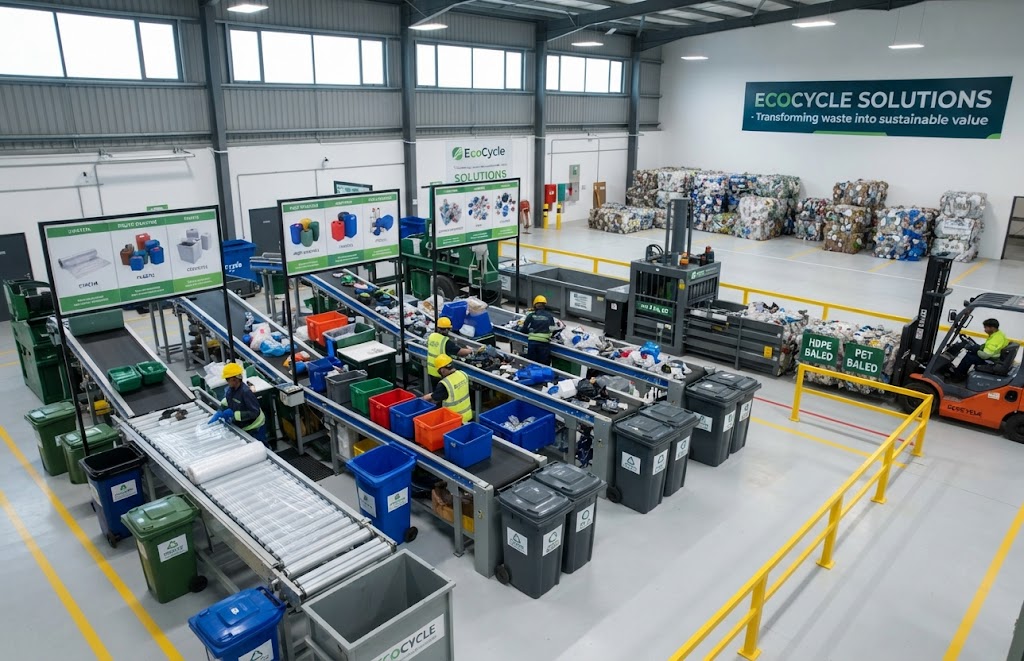
Plastic waste is generated across many types of workplaces, including manufacturing facilities, warehouses, offices, commercial buildings, retail operations and other business environments. When different waste streams are mixed together, useful recyclable materials can become contaminated and more difficult to recover.
A practical plastic waste management system starts with segregation at the point where waste is generated. Businesses can then improve collection, temporary storage, documentation and onward recycling or resource recovery.
Key idea: Better segregation does not simply mean using more bins. It means creating a clear system in which employees know what materials belong in each waste stream and how those materials should be collected, stored and handled.
Why Is Plastic Waste Segregation Important?
Plastic waste can contain different materials, formats and levels of contamination. If recyclable plastics are mixed with food waste, chemicals, general waste or other unsuitable materials, their recovery can become more difficult.
Proper segregation can help businesses:
- Improve the identification of recyclable plastic materials.
- Reduce unnecessary mixing and contamination.
- Improve housekeeping and workplace organization.
- Support better storage and collection practices.
- Improve the visibility of material quantities and waste generation.
- Support recycling and resource-recovery activities where suitable.
Common Plastic Waste Streams in Businesses
The type of plastic waste generated depends on the business activity. Manufacturing plants, warehouses, offices and commercial facilities may generate different plastic streams.
Packaging Plastic
Plastic packaging, wrapping materials, film and other packaging-related materials may be generated during receiving, storage and dispatch activities.
Plastic Containers
Suitable empty plastic containers and packaging materials may form a separate recyclable stream, depending on their condition and use.
Plastic Components
Manufacturing and maintenance activities may generate plastic components, rejected items, runners or other production-related plastic scrap.
Plastic Film
Stretch film, wrapping film and similar materials should be kept separate where practical to improve collection and material recovery.
Mixed Plastic
Mixed plastic materials may require additional sorting or assessment before they can be directed toward an appropriate recovery route.
Process Scrap
Production-related plastic scrap can often be identified and collected separately from general workplace waste.
Start With Segregation at the Source
The most effective point to segregate waste is generally where it is generated. Instead of collecting mixed waste first and sorting it later, businesses can establish clear collection points close to production areas, stores, offices or other relevant locations.
1. Identify the Main Plastic Streams
Begin by identifying the types of plastic waste generated by each department or activity. A manufacturing line may have different plastic scrap from an office, warehouse or dispatch area.
2. Define Clear Collection Categories
Once the main streams are identified, establish practical categories that employees can understand and follow. The categories should match the actual materials generated at the facility.
3. Use Clear Identification
Collection containers and storage areas should have clear labels or visual identification. The objective is to make the correct disposal decision simple for employees.
4. Train Employees
Even a well-designed segregation system can fail if employees do not understand it. Short awareness sessions, visual instructions and routine workplace checks can help maintain the system.
A Practical Plastic Waste Segregation Process
Identify
Identify where plastic waste is generated and what types of plastic materials are commonly found.
Segregate
Separate suitable plastic streams from general waste as close to the generation point as practical.
Collect
Establish a regular collection routine so that segregated materials do not become mixed later.
Store
Keep collected plastic in an organized and suitable temporary storage area.
Record
Maintain practical records of quantities, collection dates and movement of recyclable material where relevant.
Review
Periodically review contamination, waste quantities and segregation performance to identify improvements.
Reduce Mixing and Contamination
One of the common challenges in plastic waste management is contamination. Plastic that could otherwise be recovered may become difficult to handle when it is mixed with food residue, general waste, unsuitable materials or other contaminants.
Businesses can reduce this problem by:
- Keeping plastic collection points separate from general waste.
- Providing simple instructions near collection areas.
- Removing unnecessary contamination where practical.
- Keeping different material streams separated during storage.
- Checking storage areas regularly.
- Training housekeeping and operational personnel.
Plastic Waste Storage and Workplace Organization
After collection, segregated plastic should be stored in an organized manner until it is moved for recycling, recovery, trading or another appropriate route.
Storage arrangements should consider the type and quantity of material, available space, housekeeping requirements, fire safety considerations and the applicable requirements for the particular facility.
Clearly identified storage zones can also make it easier for employees to understand where each material belongs and can reduce accidental mixing.
Baling, Crushing and Other Material-Handling Activities
Depending on the type and condition of plastic scrap, businesses may consider material-handling activities such as baling, crushing or other size-reduction processes as part of their recycling or resource-recovery arrangements.
These activities should only be carried out using suitable equipment, operating procedures, trained personnel and the applicable safety and environmental controls.
For businesses that generate significant quantities of recyclable plastic, improving the condition and organization of material before onward movement may help make collection and handling more systematic.
Keep Basic Plastic Waste Records
Good waste management is easier when businesses understand what materials they generate and where those materials go.
Depending on the organization's needs, useful records may include:
- Type of plastic material generated.
- Approximate quantity generated.
- Department or activity generating the material.
- Collection frequency.
- Storage quantity.
- Dispatch or movement details.
- Available transaction or supporting documentation.
These records can help businesses identify trends, monitor waste generation and improve internal waste-management decisions.
How Plastic Segregation Connects With EPR
Plastic waste segregation and Extended Producer Responsibility (EPR) are related to the broader management of plastic waste, but they are not the same activity.
Businesses should understand their specific role and responsibilities under the applicable regulatory framework rather than assuming that segregation alone fulfils every EPR requirement.
For a simple introduction to Plastic EPR in India, read our guide: What Is Plastic EPR? A Simple Guide for Businesses in India .
Practical Ways Businesses Can Improve Plastic Recycling
A simple improvement checklist
- Map where plastic waste is generated.
- Separate recyclable plastic from general waste.
- Use clear labels and visual instructions.
- Train employees and housekeeping teams.
- Keep segregated materials organized during storage.
- Monitor contamination and repeated mixing.
- Maintain basic quantity and movement records.
- Review opportunities to reduce plastic waste generation.
- Use suitable recycling or recovery channels.
- Review the system periodically and improve it.
How EcoCycle Solutions Can Support Businesses
EcoCycle Solutions supports businesses with practical recycling, scrap-management, environmental sustainability and workplace improvement services, depending on the applicable scope of each activity.
Our approach can include reviewing existing waste-management practices, identifying segregation opportunities, improving workplace organization and supporting businesses in developing practical waste-management processes.
EcoCycle Solutions also provides non-hazardous scrap trading and recycling-related services for suitable materials within its applicable business scope, including paper, plastic and metals.
For EPR-related requirements, EcoCycle Solutions provides consultation and compliance-support services. Specific registrations, filings, credits and regulatory requirements depend on the applicable rules, business role and current regulatory requirements.
Key Takeaways
- Plastic waste segregation should begin as close as practical to the point where waste is generated.
- Clear identification and employee awareness are important for maintaining segregation.
- Keeping plastic streams separate can reduce contamination and improve material handling.
- Organized storage and basic records can improve visibility over plastic waste generation and movement.
- Baling, crushing and other processing activities should follow suitable safety, environmental and applicable regulatory requirements.
- Plastic waste segregation is one part of a broader waste-management system and should not automatically be treated as fulfilment of every EPR obligation.
Frequently Asked Questions
What is plastic waste segregation?
Plastic waste segregation means separating plastic materials from general waste and, where practical, separating different plastic streams so that suitable materials can be handled more effectively for recycling or resource recovery.
Why should businesses segregate plastic waste?
Segregation can reduce mixing and contamination, improve workplace organization and make suitable recyclable materials easier to identify, store and recover.
Can plastic waste be baled or crushed?
Depending on the material and operational setup, suitable plastic scrap may be baled, crushed or otherwise processed. The appropriate method depends on material characteristics, equipment, safety requirements and applicable environmental and regulatory conditions.
Is plastic waste segregation the same as Plastic EPR?
No. Segregation is a waste-management practice. Plastic EPR involves specific responsibilities and regulatory requirements applicable to relevant entities under the prevailing framework.
How can a business improve its plastic waste system?
A business can start by identifying its plastic waste streams, introducing source segregation, providing clear instructions, training employees, organizing storage and maintaining practical records.
Related reading: If you are interested in improving overall industrial scrap handling, read Industrial Scrap Management: How Businesses Can Reduce Waste and Improve Resource Recovery .
Looking to Improve Your Waste Management System?
EcoCycle Solutions can support businesses with practical recycling, scrap-management, sustainability, EPR consultation and workplace improvement requirements within the applicable scope of each service.
Request a Consultation